7 best dark web monitoring tools for MSPs in 2026
TL;DR
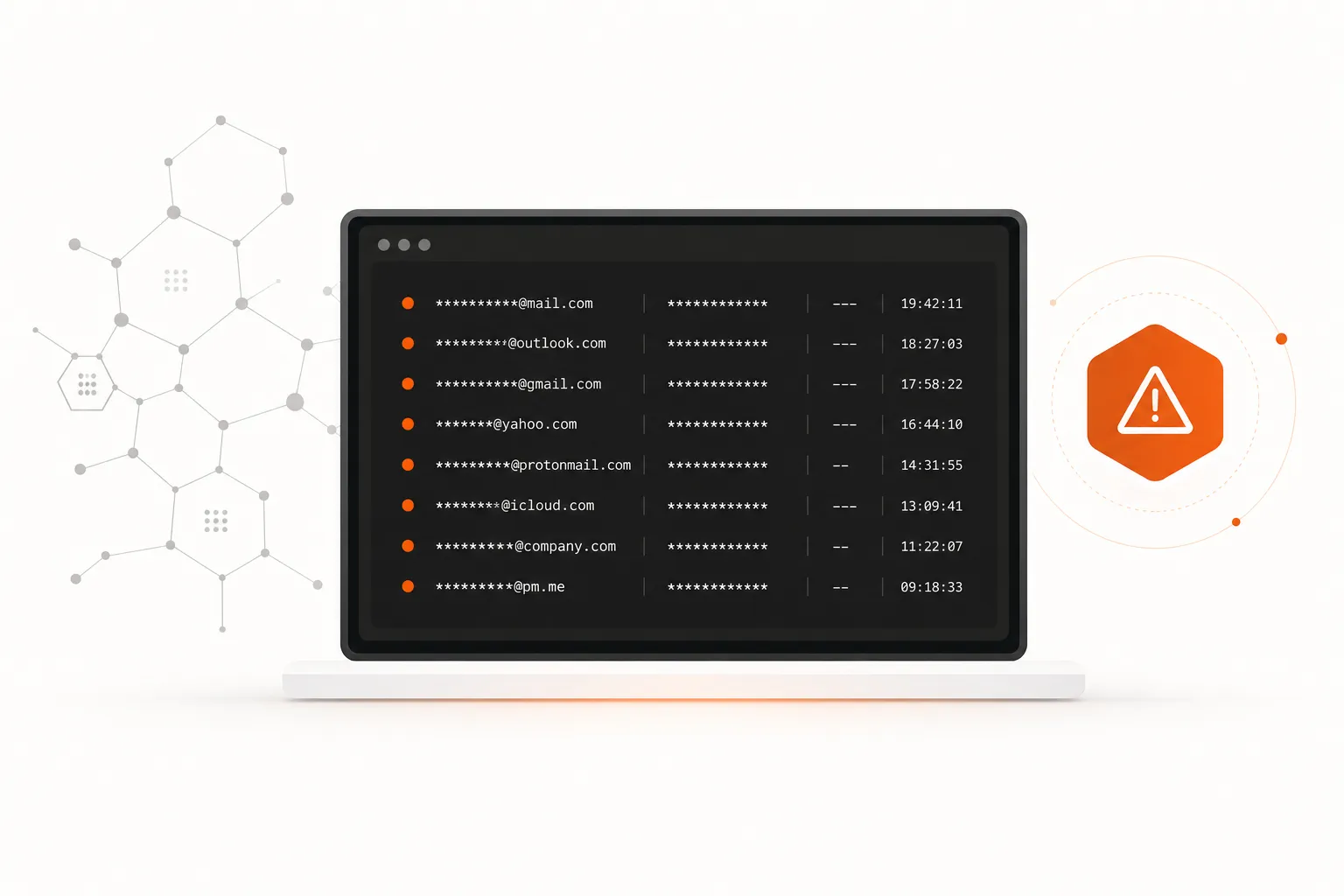
The dark web monitoring market has fractured into three distinct tiers - and most MSPs are buying from the wrong one. MSP-native tools like ID Agent Dark Web ID are built for the channel: PSA integrations, white-label reporting, and a prospecting demo that closes deals. Mid-market platforms like Flare and Breachsense go deeper - infostealer logs, live session cookie theft, automated remediation. Enterprise data providers like DarkOwl and Constella Intelligence are raw-data infrastructure plays that require dedicated analysts to use.
For most MSPs: start with ID Agent Dark Web ID if you're building a security practice and need something your whole team can use from day one. Move to Flare or Breachsense when you need stealer log visibility and automation. Use Have I Been Pwned as a free NIST compliance baseline alongside everything else. And whatever tool you pick - the alert is only half the job. Someone still has to close the password reset ticket.
Why dark web monitoring changed for MSPs in 2026
Stolen credentials have always been the front door for breaches. What changed is the mechanism.
Five years ago, the dominant threat was simple credential reuse: passwords from old breaches getting stuffed into client accounts. Your $5/month monitoring tool scraped aggregate dumps, found user@clientdomain.com in the RockYou2021 dataset, and you made a call asking them to change the password.
That model handles that threat. It doesn't handle what's actually happening now.
Stealer logs changed the game
Infostealer malware - RedLine, Lumma, Vidar, Raccoon - doesn't just lift saved passwords from browser profiles. When it runs on a device, it exfiltrates:
- Active session cookies, which bypass MFA entirely when replayed by an attacker
- Autofill form data, including payment details and SSNs stored in browser profiles
- Plaintext credentials for every authenticated service open at the time of infection
- API tokens, SSH keys, and secrets stored locally
Constella Intelligence's 2026 Identity Breach Report tracked 51.7 million infostealer packages in 2025 - a 72% year-over-year increase. Each package represents a compromised device, not just a compromised account. SpyCloud processes 1 trillion+ recaptured assets covering 200+ data types per record, including those live session tokens.
A credential monitoring tool that only checks aggregate breach dumps misses this entirely. It won't catch the session cookie that lets an attacker into your client's M365 tenant right now, before anyone has changed a password, before any alert has fired.
This is the gap that separates the three tiers in this list.
How we evaluated these tools
Seven tools, through the lens of what actually matters to an MSP running managed security:
- Data sources: What are they actually monitoring? Public breach dumps only, or live stealer log feeds, private forums, and Telegram channels?
- Alert quality: Signal-to-noise. Does the tool surface actionable findings, or do you spend more time triaging false positives than responding to real threats?
- MSP workflow fit: PSA integration, multi-tenant client management, white-label reporting - the table stakes for a tool that works inside an MSP operation.
- Automation depth: Does the tool alert, or does it close the loop to remediation?
- Pricing transparency: Published pricing, or a discovery call just to learn the number?
We'll be direct about which tier fits which kind of MSP, because "it depends on your needs" is not a verdict.
Quick comparison: 7 dark web monitoring tools
| Tool | Best for | Starting price | MSP-native | Auto-remediate |
|---|---|---|---|---|
| ID Agent Dark Web ID | MSP channel sales + simple credential alerts | $5/user/month | Yes | No |
| Flare | Mid-market automation + stealer log depth | $18K/year | Partial | Yes (Entra ID) |
| SpyCloud | Enterprise workforce identity protection | Custom | Partial | Yes (Okta/Entra/SOAR) |
| Breachsense | API-first MSP integration | Custom (demo) | Partial | Via webhook |
| DarkOwl | Raw darknet data for analyst teams | $38K+/year | No | No |
| Constella Intelligence | Enterprise identity risk programs | $315K+/year | Partial | Limited |
| Have I Been Pwned | Free NIST compliance baseline | Free / custom API | No | No |
How dark web monitoring actually works
Before the tool breakdown, a quick picture of what's actually happening under the hood - because understanding this explains why some platforms cost 10x what others cost, and why that price gap isn't always unjustified.
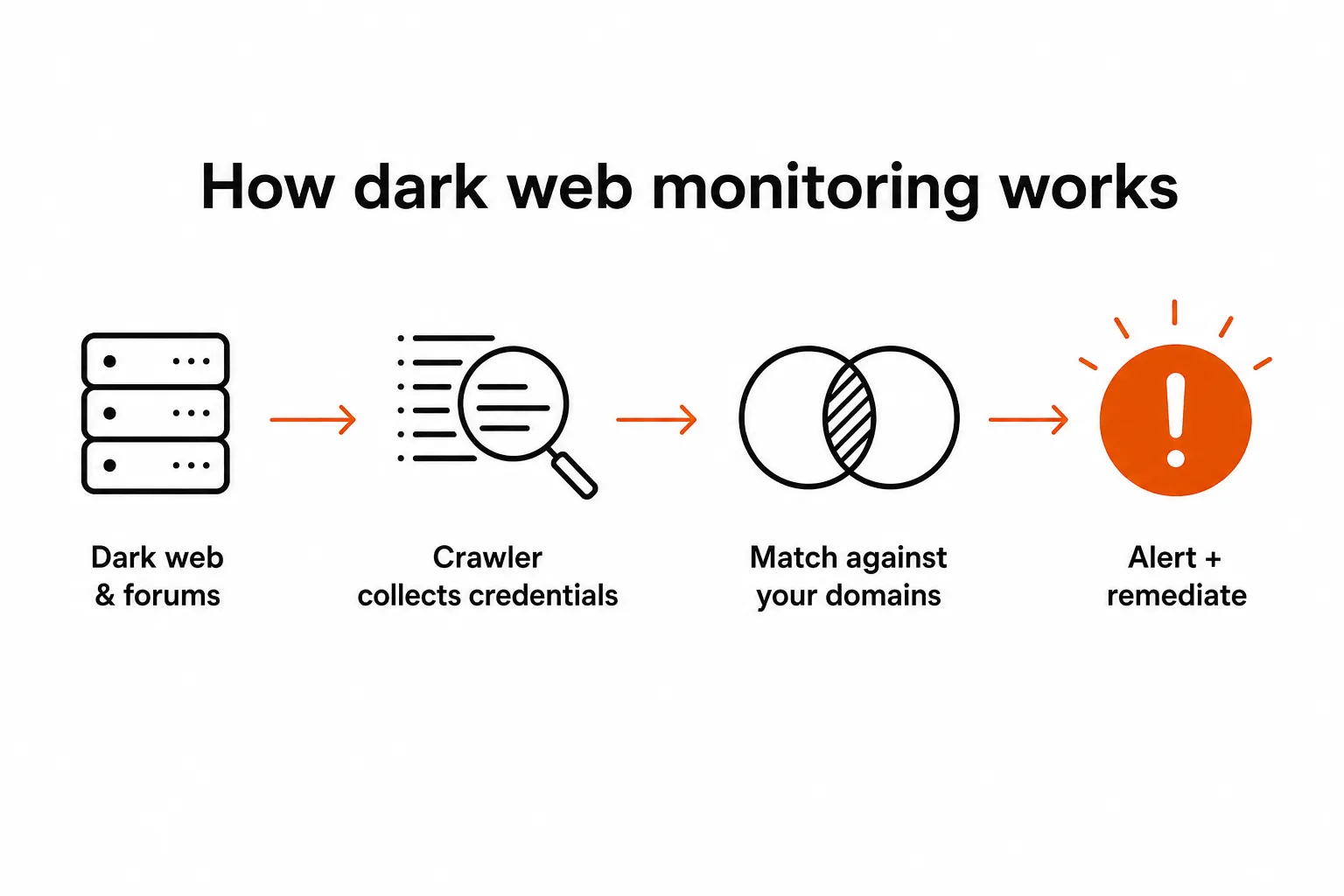
At the most basic level: a dark web monitoring tool maintains automated scrapers - and in some cases human operatives - that access sources where stolen data ends up. Paste sites, forum posts, ransomware leak sites, Telegram channels, infostealer log marketplaces. That data is ingested, normalized, and matched against identifiers you've submitted (email addresses, domains, IP ranges). Match found, alert fires.
The difference between a $50/month tool and a $50,000/year platform comes down to which sources they can actually access. Public breach dumps - the "clearnet" layer - are accessible to anyone and published months or years after the actual compromise. The real signal is in private feeds: authenticated dark web forums, infostealer log repositories sold directly between threat actors, Telegram channels with invite-only access. Most vendors can't get into these. The platforms that can, charge for it.
1. ID Agent Dark Web ID - best for MSP channel sales
ID Agent, a Kaseya company, runs the dominant dark web monitoring platform in the MSP channel. Close to 4,000 MSPs in 30+ countries use Dark Web ID - not because it has the deepest data coverage, but because it fits how MSPs actually operate: PSA-connected, white-label-ready, and bundled with a sales tool that genuinely closes security deals.
The flagship capability is the Live Dark Web Search: a real-time lookup that shows a prospect their actual compromised credentials on demand. MSPs on r/msp consistently call it "the single most powerful prospecting tool" they have, and it's hard to argue - nothing closes a security conversation faster than showing a CEO their real password sitting in a dark web dump.
On the monitoring side, Dark Web ID scans 640,000+ botnets, dark web markets, data dumps, and IRC channels 24/7, combining automated detection with human analyst validation to filter noise. It returns actual passwords and PII, not just "you've been in a breach" notifications. Azure AD sync suppresses alerts for inactive and departed employees - a practical quality-of-life feature for high-turnover client environments.
PSA integrations are solid: native connectors for Autotask, Kaseya BMS, IT Glue, and Compliance Manager GRC mean tickets get auto-created and compliance audit trails get generated without manual effort.
What it doesn't do: infostealer log monitoring at the depth of Flare or Breachsense, and no automated remediation - the tool alerts, your techs do the password reset.
Pricing
Dark Web ID starts at $5/user/month with a 10-user minimum per client organization.
| Users per client | Monthly cost | Annual cost |
|---|---|---|
| 10 | $50 | $600 |
| 25 | $125 | $1,500 |
| 50 | $250 | $3,000 |
MSPs typically bundle it at 50–100% markup alongside BullPhish ID (phishing simulation) and Graphus (email security) as a $15–40/user/month Advanced Security package.
Verdict: The default MSP pick. The Live Dark Web Search alone closes enough security deals to pay for itself. If you're building a security practice from zero, start here. If you outgrow it - specifically if you need stealer log visibility or automated remediation - Flare or Breachsense is the natural upgrade path.
2. Flare - best for mid-market automation
Flare positions itself as an Identity Exposure Management (IEM) platform - a newer framing, but one that accurately describes what makes it different from basic credential monitors. The core difference: Flare doesn't just check if a client's email appeared in a known breach. It processes over 1 million new stealer logs per week - covering RedLine, Lumma, Vidar, Raccoon, and emerging malware families - while monitoring 127,000+ Telegram channels and maintaining approximately nine years of archived dark web data.
Where that depth matters: a stealer log doesn't just say a password was exposed. It says which device was infected, which services were authenticated at infection time, and whether live session cookies were captured. The difference between "reset this password" and "this device is compromised, wipe it and invalidate every session this employee had open." That's a security incident, not a password reset ticket.
Flare's AI engine, Threat Flow, translates multilingual dark web content and correlates findings across sources - producing actionable reports in under 5 seconds rather than raw data dumps your techs have to parse.
The remediation story is real but specific: Flare integrates with Microsoft Entra ID to force password resets and revoke sessions automatically when credentials are detected, typically in under 60 seconds from alert. If your clients are running M365 with Entra, this is meaningful automation. If they're on Google Workspace or Okta-only, remediation is still manual for now.
"Flare was the only one that could successfully filter and prioritize data leaks."
- CTI Director, Major North American Bank, Gartner Peer Review
That quote points at a real problem in the space: most tools produce thousands of alerts that require hours to triage. A Forrester Total Economic Impact study found Flare delivered 321% ROI over three years, with under-6-month payback and $167K in annual labor savings from reallocated analyst time - including an MSSP case study showing 10x faster dark web investigations and 1,300+ analyst hours recovered annually.
Pricing
Flare's pricing is tied to identifier count (domains and email addresses monitored). The AWS Marketplace entry tier shows:
| Plan | Identifiers included | Annual cost |
|---|---|---|
| Starter | 75 | $18,000 |
| Essentials | 400+ | Custom |
| Enterprise | Custom | Custom |
There's no public pricing page on flare.io - they favor a sales-led process. Mid-market tools in general typically run $200–$500/month; Flare's entry tier is at the higher end of that range for SMB-scale deployments.
Verdict: The right step up from ID Agent for MSPs who need actual stealer log visibility and Entra ID remediation automation. The 9-year archive and 127K+ Telegram channel coverage is hard to match at this price. The gap: no public pricing page, $18K/year minimum puts it out of reach for small MSPs, and Okta/Google environments don't get automated remediation yet.
3. SpyCloud - best for enterprise workforce protection
SpyCloud leads with one claim that's worth taking seriously: 1 trillion+ recaptured identity assets - not raw breach counts, but deduplicated, enriched records sourced from malware-infected devices, phishing campaigns, and dark web markets. The platform covers 200+ data types per record, including session cookies, device fingerprints, and authentication tokens alongside credentials.
The practical impact on account takeover detection: standard credential monitoring sees "john@client.com password was leaked." SpyCloud also sees that john's M365 session cookie is active and in the hands of a threat actor who bought it 30 minutes ago. That's a different kind of emergency - one that a password reset alone won't fix.
SpyCloud's enterprise offering spans workforce protection (employee credential monitoring), consumer protection (customer ATO prevention), and investigations (API-driven access to the trillion-record database for cybercrime research). For MSPs, workforce protection is the entry point.
Remediation connects to Entra ID, Okta, Crowdstrike, Splunk, and 50+ other tools via SOAR/SIEM connectors. LendingTree, an SpyCloud customer, reported 60% reduction in SOC team time after deployment - though that's a financial services organization with an actual SOC, not a typical MSP client environment.
The platform also ships a Research Agent: an agentic tool for automated threat actor attribution and cybercrime investigation without requiring a dedicated analyst.
Pricing
Custom and tiered by scale. Workforce protection is priced per employee account; investigations per seat or API query volume. Average payback is 3.5 months per SpyCloud's own customer data. No published pricing - demo required.
Verdict: Genuinely powerful, and the trillion-record database is real differentiation. Built for enterprise security teams, and the pricing and configuration complexity reflect that. For MSPs managing 50–500 seat clients without internal SOC functions, it's usually more than needed. Right call for larger MSSPs building managed threat intelligence services, or for clients in financial services or healthcare with existing security teams.
4. Breachsense - best API-first integration
Breachsense takes a different architectural philosophy: API-first, no required dashboard, designed to integrate into whatever SIEM/SOAR stack you're already running rather than adding a new interface to check.
The monitoring scope is solid: 60.6 billion leaked credentials indexed, plus real-time monitoring of 100+ ransomware leak sites, Russian-language hacker forums, and infostealer log repositories. Alert latency is genuinely fast - minutes to detection versus the industry average of 241 days from compromise to discovery. Every finding includes the malware family, infection source system, and discovery timestamp, giving you enough context to tell "old breach exposure, do a password reset" from "device is actively compromised right now, this is an incident."
The feature that most credential monitors miss: session token detection. When infostealer malware runs, it grabs active session cookies alongside passwords. Replaying those cookies bypasses MFA. Breachsense surfaces these separately from credential findings, explicitly flagging when an MFA-protected account is at risk from a captured token - a distinction most tools collapse into the same "leaked credential" bucket.
For MSPs, the multi-tenant domain monitoring lets you manage all client domains from a single account and aggregate per-customer exposure data. Webhook alerts push to your SIEM/SOAR as JSON, routing password reset tickets automatically without anyone logging in to check a dashboard.
Enterprise customers include PwC, Trustwave, and Teachers Mutual Bank - credible reference points for data quality and reliability across demanding environments.
Pricing
Four tiered plans scaled by watchlist size, API query volume, and coverage depth (premium dark web markets are higher-tier only). Specific pricing requires a demo. A 7-day trial is available post-demo; a free scan runs immediately at breachsense.com/dark-web-scan.
Verdict: The pick for MSPs who want dark web monitoring embedded in their existing tooling rather than a separate dashboard to maintain. If you're already running a SIEM/SOAR, the webhook integration slots real-time infostealer alerts straight into your workflow. The session token detection is a genuine differentiator - not every tool surfaces this. The main drawback: no live demo sales tool like ID Agent's Live Dark Web Search, and pricing requires a call.
5. DarkOwl - best for raw darknet data depth
DarkOwl is the darknet data provider - the company that other dark web monitoring vendors sometimes source raw data from. Their index covers 894 million TOR records, with 227,500 darknet pages collected per hour across TOR, I2P, ZeroNet, encrypted messaging platforms, and authenticated forum access.
The scale: 18 billion+ email addresses indexed, 59 million+ credit cards, 468 million+ crypto wallets. And critically, DarkOwl estimates that 60% of their data comes from authenticated or account-level sources that most competitors can't access. If you've wondered why some dark web monitoring tools appear to work from the same pool of public dumps - it's because they are. They're scraping the clearnet surface layer. DarkOwl has actual access inside the private forums.
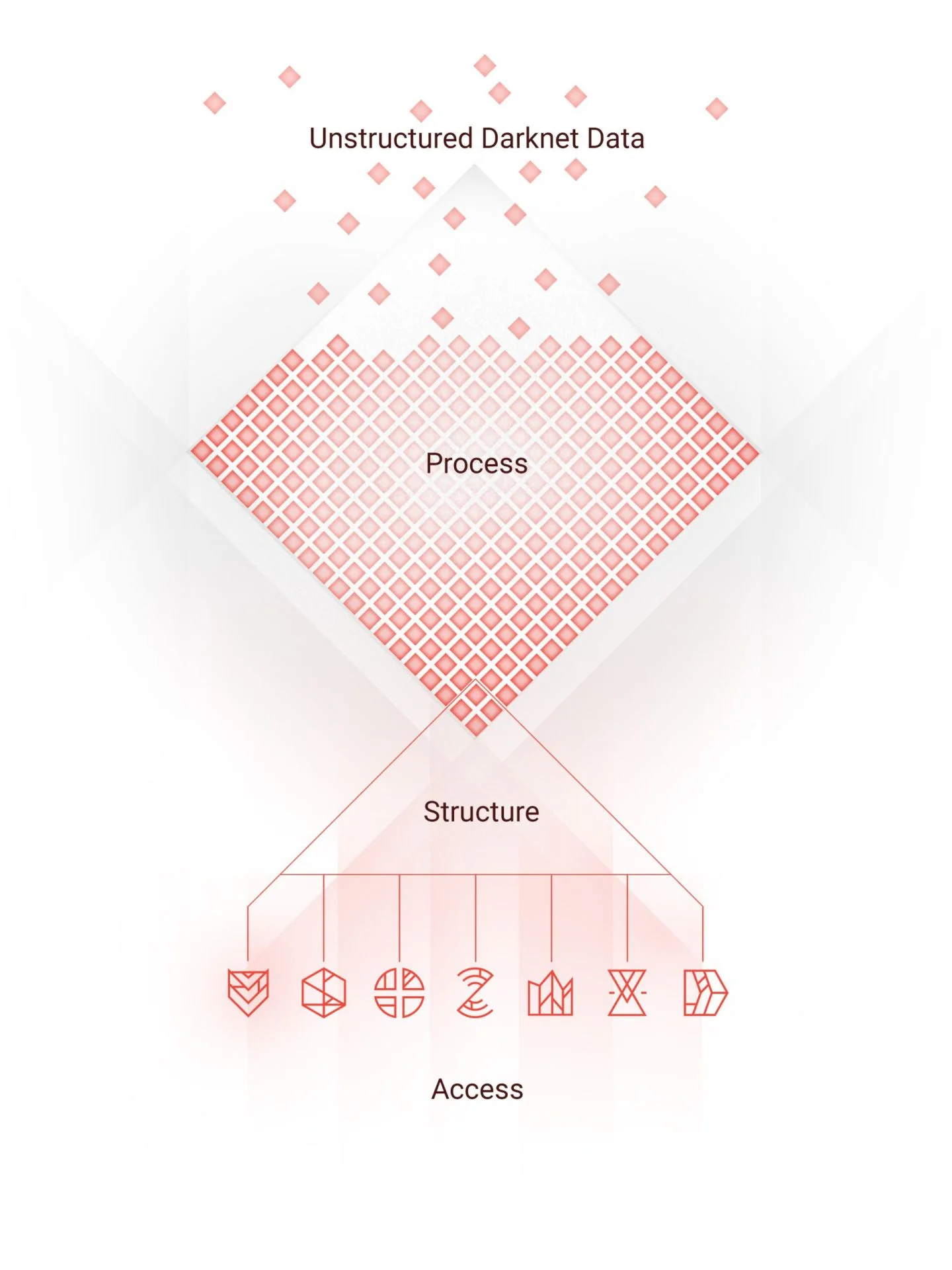
Products range from Vision UI (a researcher-facing darknet search interface), six API products for platform integration, to raw data feeds for security data engineering teams. The DarkSonar API generates predictive risk scores from darknet signal patterns before a breach materializes. Partners include Microsoft, Coinbase, and Proofpoint - institutional-level validation of data quality and reliability.
The honest limitation: DarkOwl is raw intelligence infrastructure, not a managed service tool. No PSA integration, no multi-tenant client reporting, no white-label output. You need security analysts who know what to do with darknet data. Without that, you'll drown in signal.
Pricing
DarkOwl Vision starts at $38,000–$60,000+ per seat license annually via AWS Marketplace. API products are enterprise-custom. No trial or freemium tier.
Verdict: Not for most MSPs. DarkOwl belongs in the stack of MSSPs building a full managed threat intelligence practice, or on the short list for clients that have dedicated security analyst teams. If the question is "which of these has the best underlying data," DarkOwl wins. If the question is "which of these can my Level 1 techs actually act on," look elsewhere.
6. Constella Intelligence - best for enterprise identity risk programs
Constella Intelligence runs the world's largest verified breach database - 1 trillion+ records sourced from data breaches, infostealer logs, and dark web markets - with a verification layer that filters duplicate and low-confidence data before anything surfaces to the analyst.
The "verified pedigree" model is the real differentiator. Constella doesn't just ingest and surface raw breach data. Every record goes through source classification, deduplication, and enrichment to establish provenance. A finding shows not just "this password was exposed" but where it came from, when it was stolen, and whether it's a live session token capable of bypassing MFA or an old static credential requiring only a password reset. Those are meaningfully different responses.
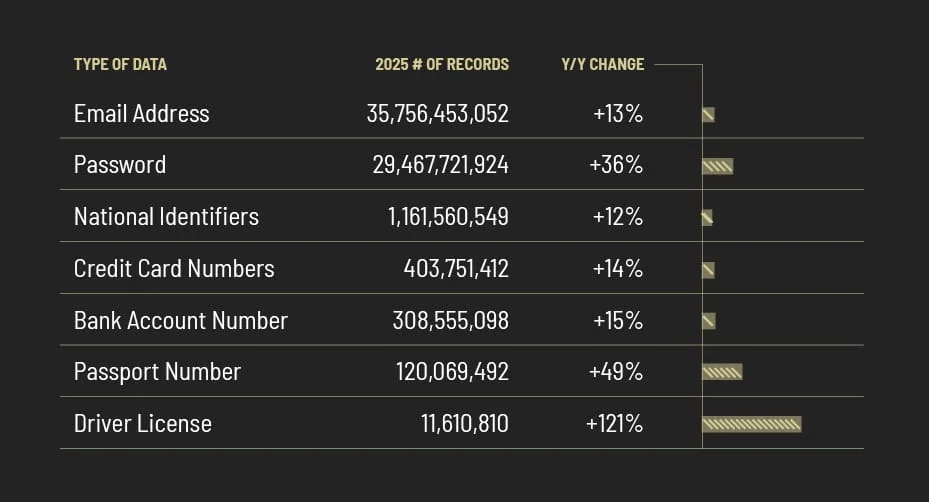
The infostealer focus is sharp: 51.7 million infostealer packages tracked in 2025, up 72% year over year. The 2026 Identity Breach Report is one of the more rigorous annual analyses of how identity attacks are actually evolving - worth reading regardless of whether Constella is on your shortlist.
Two product paths: the Identity Data API for developers building detection engines into existing platforms, and Hunter+ for security teams doing investigation and threat management. MSSPs are increasingly embedding Constella into premium security tiers within 60 days of deployment, per Gartner Peer Insights reviews.
Pricing
Enterprise-only. Vendr transaction data shows contracts starting at $315,000–$415,000 annually. API pricing is custom per query. No trial.
Verdict: The verified-pedigree model and infostealer specialization are legitimately differentiated from what most tools in this list do. But at $315K+ per year, this is a platform for financial services organizations, large MSSPs, or clients with dedicated identity risk programs. Keep it on the radar for when you're building out a premium MSSP practice and data quality matters more than price.
7. Have I Been Pwned - best free starting point
Have I Been Pwned (HIBP) is Troy Hunt's long-running free public service - individual breach checks against a database of 1,020+ breached websites and 17.76 billion compromised accounts. The Pwned Passwords service has processed over 18 billion monthly password checks via Cloudflare's global network, and it's the backbone of NIST 800-63-4 password strength enforcement across countless identity management systems.
The k-anonymity implementation for password checking is worth calling out: only the first 5 characters of the SHA-1 hash are sent to the API, so the plaintext password never leaves the user's machine. It's the right way to do this, and it's one reason HIBP is referenced in NIST guidelines rather than competing free services.
For MSPs, the practical use cases are real but bounded: free breach checks for individual client accounts, domain breach lookups (requires DNS or email admin verification), and integration into IAM workflows to block known-breached passwords at the identity layer. The API v3 is developer-friendly; 1Password and Firefox Monitor both run on HIBP data.
What HIBP won't give you: live stealer log monitoring, Telegram channel scanning, session token detection, automated remediation, or client reporting. HIBP ingests breaches after public disclosure - the lag between an actual compromise and HIBP indexing it is typically weeks to months.
Pricing
Free for individual email and password checks. Domain-level API access is custom-priced for organizations - contact the team directly.
Verdict: Use it. It's free, it's reliable, it's cited by NIST, and it fills a real gap for NIST 800-63-4 compliance. Don't mistake it for a dark web monitoring platform - it's breach notification with excellent infrastructure. It belongs in your stack alongside a real monitoring tool, not instead of one.
Which tier is right for your MSP?
The seven tools above fall into three categories based on what you actually need from them:
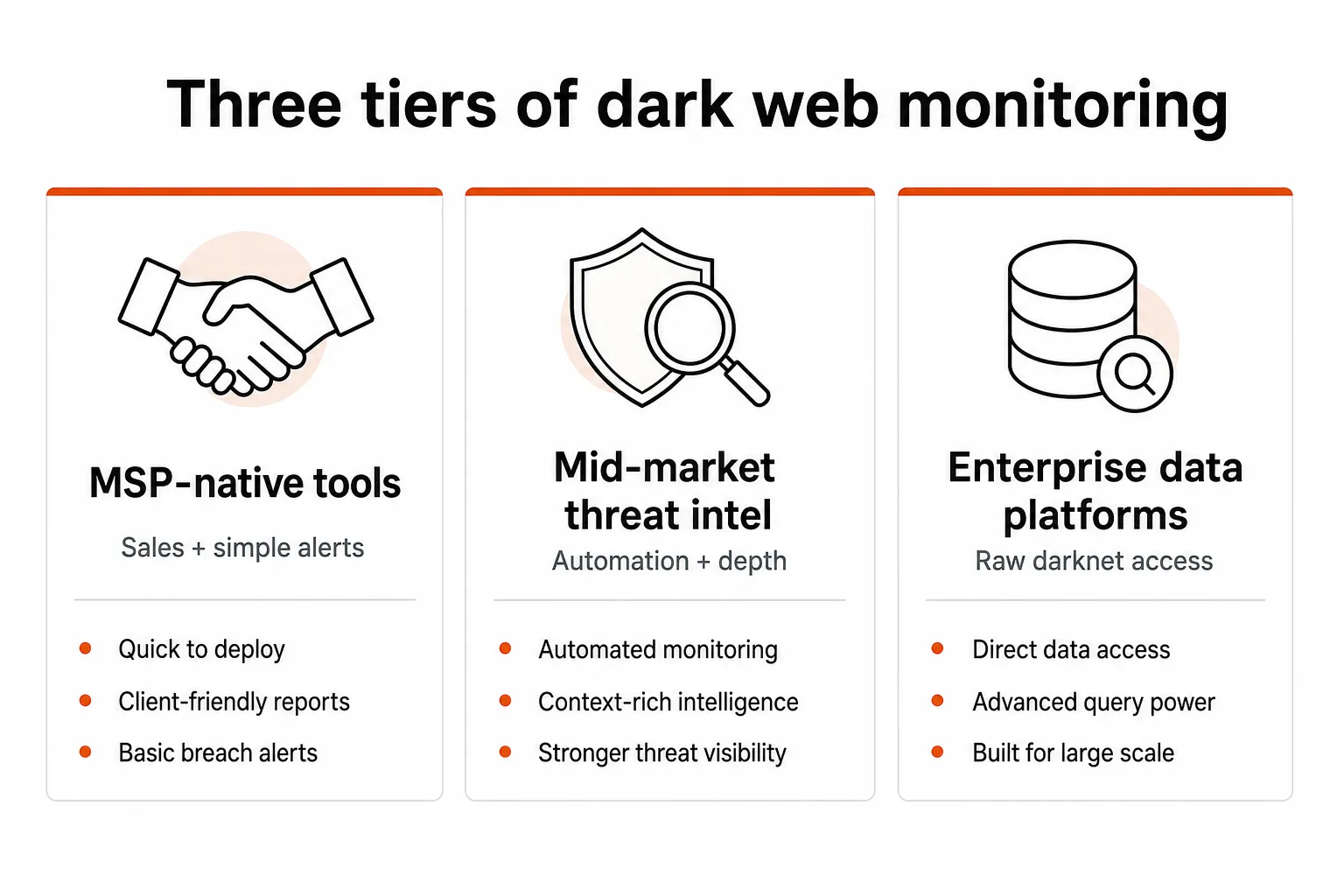
Tier 1 - MSP-native tools (ID Agent Dark Web ID): Built for the MSP channel workflow. PSA integrations, white-label reporting, and a live search demo that closes deals. Solid coverage of public breach data. Limited stealer log visibility; no automated remediation. Right for: MSPs building a security practice from scratch who need a tool the whole team can use on day one.
Tier 2 - Mid-market threat intel (Flare, SpyCloud, Breachsense): These platforms go deeper - infostealer logs, session token detection, automation hooks into identity providers. Alert quality is meaningfully better; noise is lower. Pricing jumps to $18K–$50K+ annually. Right for: MSPs with mature security practices, clients in regulated industries, or any environment where account takeover attempts are still succeeding despite credential resets.
Tier 3 - Enterprise data infrastructure (DarkOwl, Constella Intelligence): Raw darknet data providers. Massive depth, no MSP workflow tooling, analyst-level complexity. Right for: large MSSPs building custom threat intelligence practices, or clients with internal security teams who need primary source data.
If you're starting out: Tier 1, full stop. If you've been running dark web monitoring for a year and clients are still getting compromised after credential resets - that's your signal to move to Tier 2.
The missing piece: closing the loop from alert to fix
Here's the gap all seven tools share, to varying degrees: dark web monitoring tells you a credential is exposed. Most of them don't fix it.
The average path from "Flare fires an alert at 2:47 AM" to "client's account is actually secured" goes like this: tool creates a ticket in your PSA, ticket gets routed to a technician, technician logs in to the client's identity provider, confirms the account, forces the password reset, closes the ticket. That's 20–40 minutes of L1 work, often at 2:47 AM when response times are worst and the attacker already has a head start.
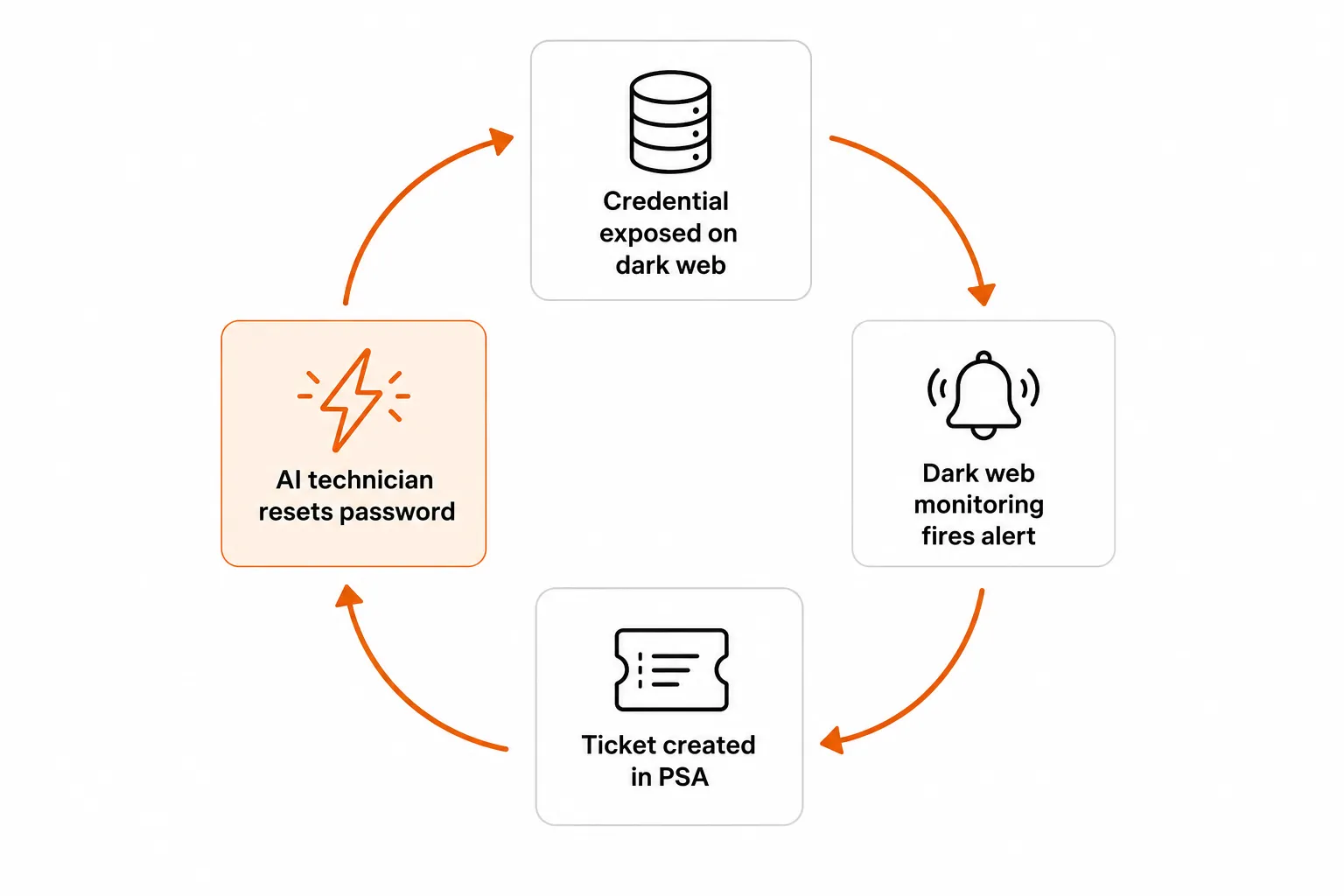
Flare's Entra ID integration and SpyCloud's SOAR connectors close part of this - they can trigger a password reset in under 60 seconds for M365 environments. But most MSP client environments aren't purely Entra-managed, and even those that are often have additional steps: notifying the user, checking for related account exposure, invalidating service credentials that share a compromised password pattern.
The full loop closes when your dark web monitoring tool's alert can flow through your PSA into an AI technician that reads the ticket, executes the appropriate action across whichever identity stack the client runs - M365, Entra ID, Okta, Google Workspace, JumpCloud - and closes the ticket without anyone waking up at 3 AM. Detection is half the work. Remediation is the other half, and almost every MSP is still doing it manually.
Try Rallied
Rallied is an AI technician built for MSPs that autonomously handles the remediation side of the equation - password resets, account unlocks, MFA re-enrollment, onboarding and offboarding.
When your dark web monitoring tool fires an alert and creates a ticket in ConnectWise, Autotask, or Halo PSA, Rallied reads the ticket, identifies the action required, and executes it - resetting the compromised credential in M365, Entra ID, Okta, JumpCloud, or Google Workspace, then closing the ticket and logging the remediation. No technician required, no 2 AM page, no "we'll get to it first thing Monday."
Most MSPs are in production the same week they start, with no implementation overhead and no dedicated admin to maintain it. For MSPs already running dark web monitoring, Rallied is the automation layer that converts detection into closed tickets - without burning technician hours on work that should have been automated three years ago.
The trial is 14 days, $50 in credit, no card required. See how it works at rallied.ai.
Frequently Asked Questions
What is dark web monitoring and why do MSPs need it?
Dark web monitoring tools continuously scan underground forums, data dumps, stealer log repositories, and encrypted channels for your clients' exposed credentials, domains, and identity data. MSPs need it because compromised credentials are the #1 attack path for ransomware and account takeover - most clients have no idea their passwords are circulating on the dark web until after the breach. Tools like ID Agent Dark Web ID and Flare are purpose-built for the MSP channel, combining monitoring with the reporting and sales tooling MSPs actually need.
How much does dark web monitoring cost for MSPs in 2026?
It ranges widely by tier. MSP-native tools like ID Agent Dark Web ID start around $5/user/month (10-user minimum). Mid-market platforms like Flare start at $18,000/year via the AWS Marketplace entry tier. Enterprise providers like DarkOwl Vision cost $38,000–$60,000+/year per seat. API-first tools like Breachsense and identity platforms like SpyCloud require custom quotes. Have I Been Pwned is free for basic individual and domain checks.
What's the difference between dark web monitoring and breach notification?
Breach notification services like Have I Been Pwned alert you after a breach has been publicly disclosed - often weeks or months after the data first circulated underground. Dark web monitoring tools like Flare and SpyCloud actively crawl private forums and infostealer log markets, catching credentials before they're weaponized - sometimes within minutes of initial exposure. For MSPs, that detection window is often the difference between a proactive password reset and responding to an active account takeover.
Do dark web monitoring tools automatically fix compromised credentials?
Some do, partially. Flare integrates with Microsoft Entra ID to force password resets in under 60 seconds when credentials are detected. SpyCloud does the same through Okta and Entra ID SOAR connectors. But most tools still create a ticket - and someone has to work it. Rallied is an AI technician that connects to your PSA and identity providers to close those tickets without human intervention, completing the loop from dark web alert to verified remediation.
Is Have I Been Pwned good enough as a free dark web monitoring solution for MSPs?
Have I Been Pwned is genuinely excellent for NIST 800-63-4 password policy compliance and free breach checks, but it's not a substitute for proactive monitoring. HIBP only indexes publicly disclosed breaches - it misses private stealer log sales, invitation-only forum posts, and credentials actively circulating on Telegram channels. For MSPs managing client security, a paid tool with real-time infostealer detection is essential. Use HIBP alongside a monitoring tool, not instead of one.